
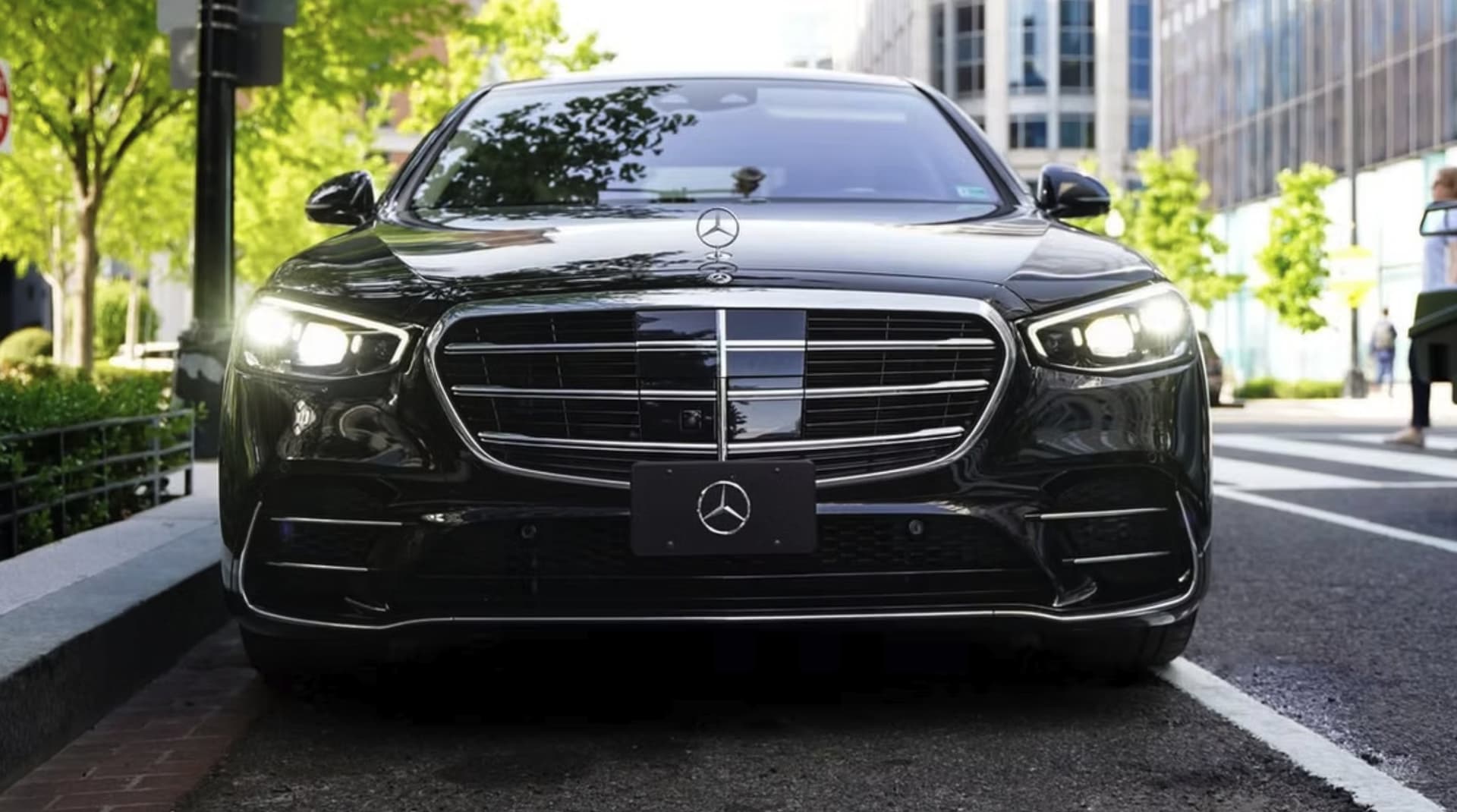
A motorcade is coordination, not just vehicles
A motorcade is not a convoy. The distinction matters. A convoy is a group of vehicles traveling together. A motorcade is a choreographed sequence of vehicles, each with a defined role, moving a principal from point A to point B on a timeline that has been rehearsed, adjusted, and confirmed with every stakeholder involved.
For diplomatic visits to Washington, DC, the coordination begins weeks or months before the principal arrives. The transport provider works alongside the advance team, the host organization's protocol office, and often local law enforcement, so that every movement is planned, every route is scouted, and every contingency has a documented response.
“A convoy travels together. A motorcade is choreographed: every vehicle has a role, every role has a backup, every minute has been rehearsed.”
What advance work actually involves
Advance work means physically driving every route at the same time of day the movement will occur. It means identifying every turn, every potential choke point, and every location where the motorcade might need to pause. It means confirming that the arrival point has space for the full vehicle sequence and that the departure point can be staged without obstructing other operations.
In Washington, DC, advance work also means accounting for the city's unique variables: diplomatic security zones, periodic closures around the White House and Capitol complex, and the unpredictable patterns created by other official motorcades. A provider who has not operated in this environment will underestimate all of it.
- 3 to 5
- Vehicles in a typical motorcade
- Weeks
- Advance lead time
- Center
- Principal's position in sequence
- 1
- Shared comms channel
The vehicle sequence
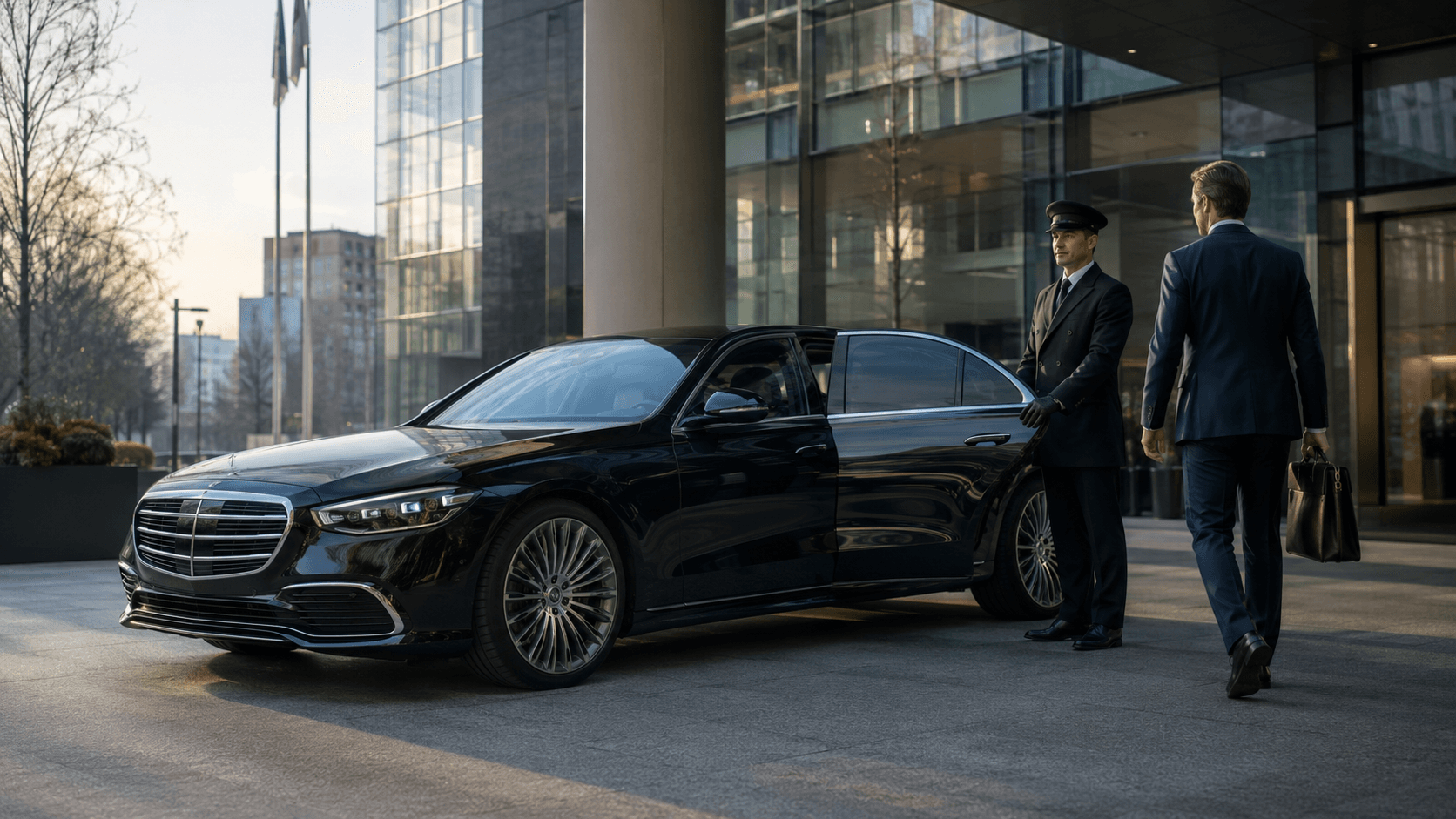
A standard diplomatic motorcade for a non-head-of-state visit typically involves three to five vehicles, each with a designated position. The principal's vehicle is never first or last; it sits in the center, shielded by the lead and follow vehicles. Every driver knows the route, the alternate route, and the protocol for an unexpected stop.
Maintaining consistent spacing through traffic lights and turns is a trained skill, not a product of general driving experience. The table below shows a representative five-vehicle sequence and what each position is responsible for.
| Position | Vehicle | Role |
|---|---|---|
| 1. Lead | Sedan / SUV | Calls turns, sets pace, clears the route ahead |
| 2. Support | SUV | Buffers and shields the principal's vehicle |
| 3. Principal | S 580 sedan | Carries the principal; never exposed at an end |
| 4. Follow | SUV | Confirms waypoints, closes gaps, handles fallback |
| 5. Staff / luggage | SUV | Delegation, staff, and baggage |
Communication and real-time coordination
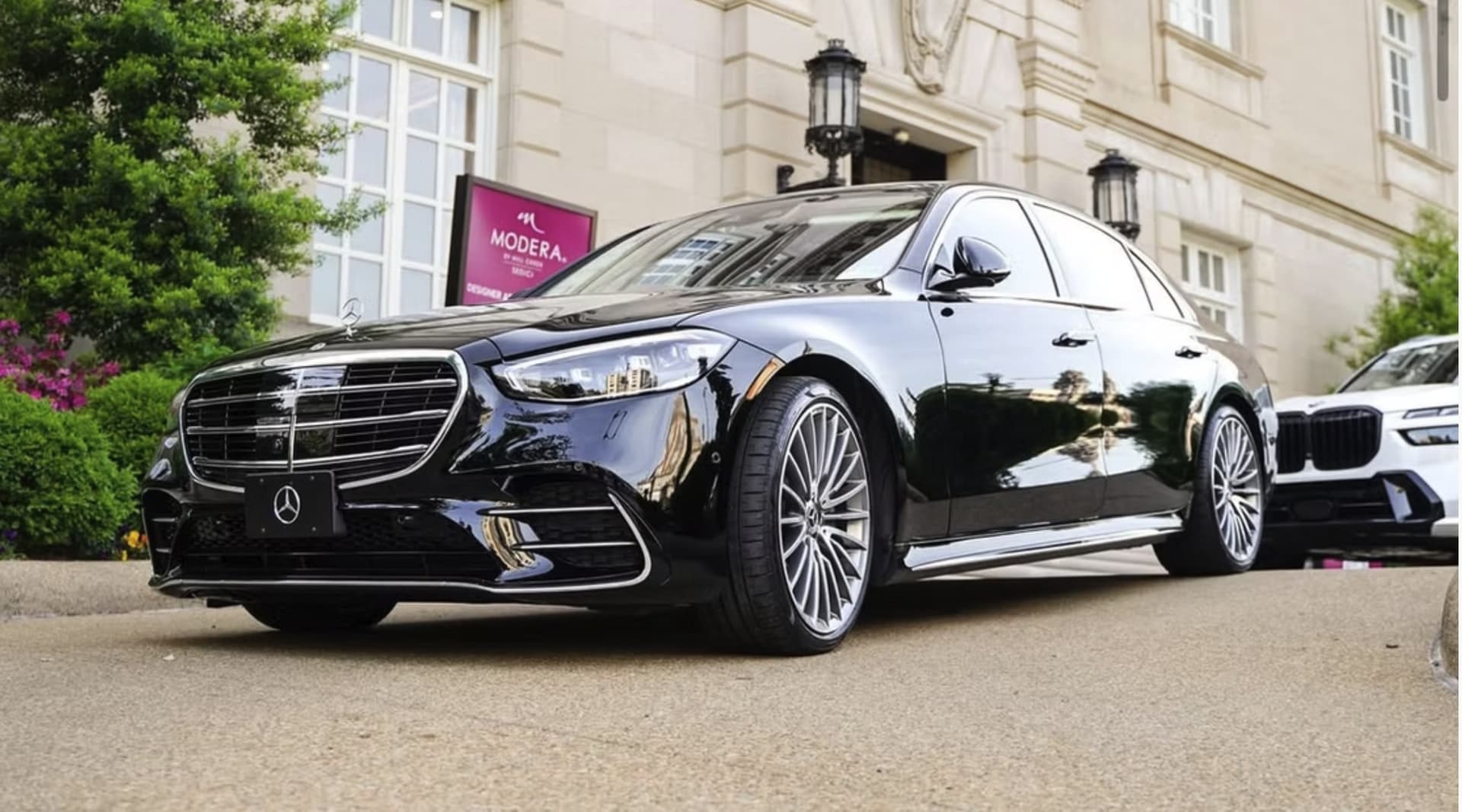
Every driver in a motorcade operates on a shared communication channel. The lead vehicle calls turns, signals, and any deviation from the planned route. The follow vehicle confirms the principal's vehicle has cleared each waypoint. The communication is continuous, calm, and uses standardized language to prevent misunderstanding under pressure.
For diplomatic visits, the provider also maintains contact with the host venue, which may need to open gates, clear security checkpoints, or position reception staff at the precise moment of arrival. A sixty-second delay at a venue entrance is not a minor inconvenience when a foreign dignitary is seated in the vehicle; it is a protocol failure visible to everyone present.
Selecting a provider for motorcade work
Not every luxury transport company can execute motorcade operations. The capability requires specific training, vehicles maintained to a higher standard of reliability, backup vehicles staged and ready, and drivers who have practiced formation driving. Ask any prospective provider about their motorcade experience, their communication protocols, and their advance-work process. If the answers are vague, they are not ready for this level of service.
The right provider will not be vague. They will describe their advance process in detail, name the variables specific to your routes, and tell you where the risks are before you have to ask. That candor is itself a credential.